








The exhibition at the Polish Sculpture Center in Oronsk is a tribute to women and their strength, memory, and work.
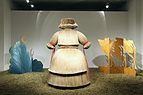
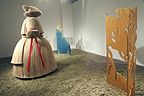
Alla, who has lived in Poland for many years, returns to themes of corporeality, spirituality, and the burden of experiences that shape the female body. The project, prepared specifically for the Oron space, transports us to a world of rituals, nature, and community, where work becomes a spiritual act and the body an instrument of memory. At the center of the exhibition is a monumental straw doll. It is a figure of a woman, a keeper of memory and a symbol of the transition between action and rest.
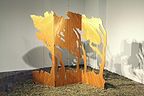
It is accompanied by two straw inserts showing the moon and wind-blown trees, as metaphors for the cyclical nature and feminine wisdom.
Made from organic materials, the works combine tradition with contemporary thinking about sculpture as a process and ritual. Sawoszewicz has been exploring the relationship between physical labor and female identity for many years. In her earlier works (from "Kiedy kanty kłują mocniej" to "Szyjcie samo"), she exposed the structures of oppression imposed on women by culture, power, and ideology. In Orońsk, these experiences find their spiritual culmination: "W księżycu stała, wiatru słuchała" is an exhibition about strength, tenderness, and harmony, about art that speaks the truth of life.